Anxious and avoidant
The Time Out
When money shows up, you step away, and you get on with your life.
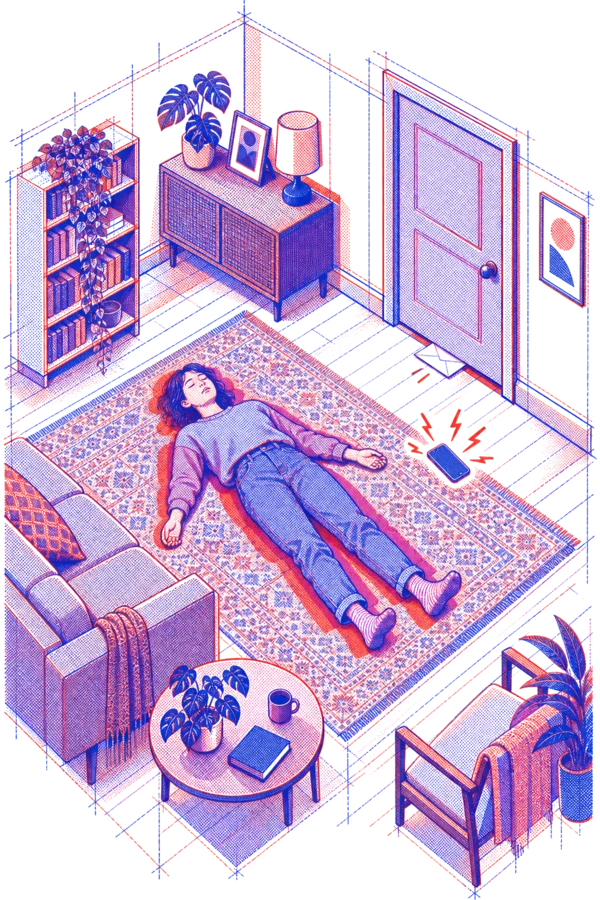
When money shows up, you step away, and you get on with your life.
Readings
In the study
Your answers leaned anxious and away from the details, with self-judgment less prominent and some doubt about reaching a goal. Worry, freeze, and don't beat yourself up about it. Freezing keeps people out of some bad calls and a few good ones. The next step is small on purpose.
How money feels
Worry that outlasts the numbers is common. In the study, people who leaned anxious were the most likely to say homebuying information is overwhelming and the least likely to feel calm about their financial future, whatever their savings or income. That pattern ran ahead of what finances alone would explain. Naming it doesn't make it go away, but it does make it easier to plan around.
Leaning in or away
About three in ten people in the study leaned this way, so you're in plenty of company, and it says nothing about your character. What separates people who look away is why. If it's because it's boring, that's one thing. If it's because it hurts to look, that's the section below, and it changes what the useful next step is.
What you carry
Self-judgment was less prominent in these answers than in most people's. That's rarer than it sounds: most people in the study carried some. It doesn't mean nothing about money ever stings; it means the next step costs you less to admit, which makes it easier to take.
What you believe you can do
Most people in the study were here too. The study also found that belief and habits sit together: the people who save most months also reported the most confidence. Nobody knows which comes first, so the next step on this page is deliberately small. It's a rep, not a program.
A result page adds what stood out in a person’s own answers, how they prefer help, and a small next step they choose. None of that lives on this page, because none of it comes from the build name.
Built from a 2026 study of nearly 1,000 U.S. adults, and six years of NextGen research with more than 10,000 millennials and Gen Z. How the quiz was built.